Navigating Retail Space Challenges in Economic Downturns
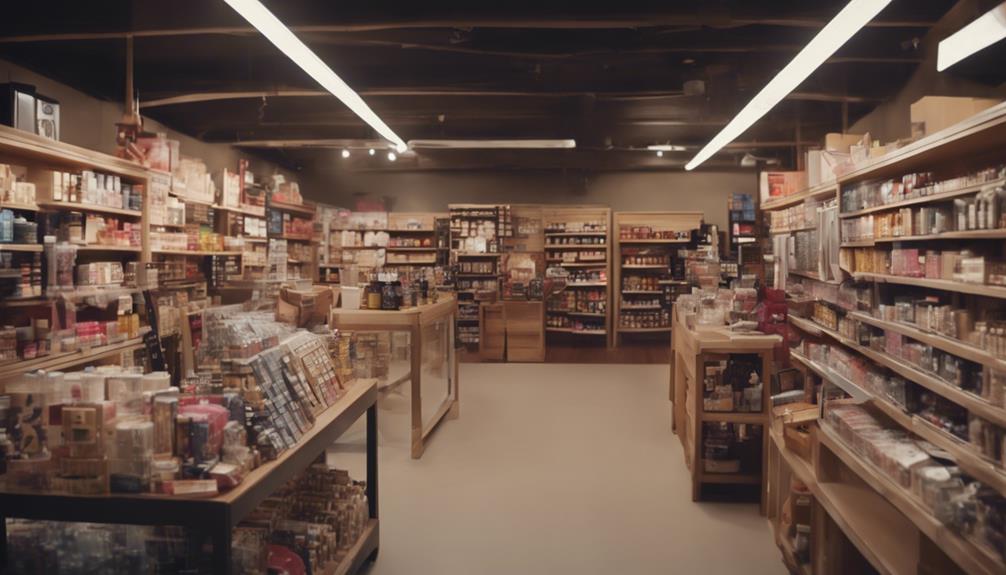
In an economic downturn, you'll face unique retail space challenges, but adjusting inventory based on shifting consumer preferences and enhancing your online presence can keep you competitive. You should also optimize your store layout to improve customer flow and utilize technological innovations like AI-driven tools for a personalized shopping experience. Additionally, engage in cost-saving tactics such as just-in-time inventory systems and renegotiate supplier contracts to reduce overhead. By staying agile and monitoring market trends closely, you can maintain or even grow your retail business despite the economic headwinds. Keep exploring and soon you'll discover more strategies to navigate these challenges effectively.
Analyzing Current Market Trends
Understanding the current market trends is crucial for navigating the retail landscape, especially during economic downturns. You've got to keep a keen eye on shifts in purchasing patterns and product preferences, as these can greatly influence your inventory and marketing strategies.
For instance, you might notice a rise in demand for cost-effective or multi-use products. Recognizing this early allows you to adjust your stock accordingly.
Additionally, staying updated with technological advancements is vital. More consumers are turning to online shopping, prompted by convenience and safety. You'll need to enhance your digital presence, ensuring that your online store is user-friendly and your supply chain can handle an increase in e-commerce transactions.
You should also monitor your competitors' movements closely. Understanding their strategies in pricing, promotions, and product offerings can provide you with insights that might inform your tactical decisions. Perhaps they're exploring new marketing platforms or partnerships you haven't considered.
Impact of Consumer Confidence
Navigating retail challenges effectively hinges on gauging consumer confidence, particularly during economic downturns. When you understand how confident your customers feel about their financial future, you can better predict their spending behaviors. Remember, if consumer confidence is low, people are more likely to save rather than spend. This means you'll need to adjust your inventory and marketing strategies to match these cautious spending habits.
Your pricing tactics might also need a tweak. Offering discounts or value-added products can entice wary shoppers to open their wallets. It's key that you monitor consumer confidence indices and economic reports; they're your window into the minds of your consumers.
Furthermore, consider how you communicate with customers. During tough times, transparency can foster trust and loyalty. Let them know you understand the economic pressures they face and show how your products or services can offer them value in these challenging times. Your empathy could turn casual browsers into committed buyers.
Lastly, don't underestimate the power of customer experience. Even when budgets are tight, exceptional service can persuade people to choose your store over competitors. It's all about making each shopper feel valued and understood.
Technological Innovations in Retail
While gauging consumer confidence is fundamental during economic downturns, equally important is leveraging technological innovations to enhance retail strategies. As a retailer, you've got to stay ahead of the curve, and that means embracing tech tools that can transform your business model.
You can start by integrating advanced analytics to better understand customer behaviors and preferences. This isn't just about tracking sales; it's about predicting future trends and adjusting your inventory accordingly. Imagine being able to anticipate a surge in demand for a product before it happens. That's the power of data analytics at your fingertips.
Furthermore, consider the adoption of AI-driven chatbots on your platforms. These aren't just for customer service; they can personalize shopping experiences, recommend products, and even handle transactions. It's like having a sales assistant who never sleeps, available 24/7, enhancing customer satisfaction and boosting your sales.
Also, don't overlook the benefits of mobile apps. These can streamline the shopping experience, offer exclusive deals, and build customer loyalty. They're not just a marketing tool; they're a direct line to your consumers, providing them with a convenient, user-friendly shopping environment.
Tapping into these technologies isn't just smart; it's essential for thriving in challenging economic times.
Adapting Store Layouts for Efficiency
Most retailers recognize the critical importance of adapting store layouts to enhance operational efficiency, especially during economic downturns. You've likely seen the impacts firsthand: a well-organized store can't only save on costs but also improve customer experiences and streamline operations. It's about making the best use of your available space.
You'll want to start by analyzing your current layout. Look at your high-traffic areas and consider whether they allow for smooth customer flow. Are your products organized logically? Are essential items easily accessible? This is your chance to optimize the space based on shopping behavior, which can change dramatically during a downturn.
Next, think about flexibility. Modular fixtures and movable displays can be game changers. They allow you to adjust layouts quickly in response to changing demands or promotional activities. This adaptability can be crucial when you're trying to keep up with market trends without committing to permanent structural changes.
Strategies for Cost Reduction
How can you cut costs effectively in your retail operations? The key lies in scrutinizing your inventory management practices. By reducing excess stock and focusing on high-turnover items, you'll minimize holding costs and free up cash flow.
Consider implementing a just-in-time inventory system, which allows you to order stock closer to when it's actually needed, reducing storage needs and lessening the risk of overstocking.
You should also renegotiate terms with suppliers. Perhaps you can secure better pricing or more favorable payment terms by promising larger or more consistent order volumes. Don't shy away from exploring alternative suppliers who may offer competitive rates that can drive down your purchase costs.
Another area to look at is your staffing. Cross-training employees enables them to handle multiple job functions, increasing operational flexibility and allowing you to manage with a leaner team. This strategy not only cuts down on labor costs but also enhances team versatility.
Lastly, consider your energy usage. Switching to energy-efficient lighting and optimizing heating and cooling systems can significantly reduce your utility bills. Every penny saved on these fronts goes straight to your bottom line, helping weather economic downturns more effectively.
Opportunities for Retail Revitalization
Retail revitalization offers a promising avenue for store owners to rejuvenate their businesses and attract new customers. As you navigate these challenging times, consider the potential that lies in revamping your store's design and layout. It's about creating an environment that resonates with your target demographic.
Think about introducing interactive displays or pop-up events that can draw attention and provide unique shopping experiences.
Moreover, leveraging local art and culture can set you apart. Collaborate with local artists or host community events in your space. It's a win-win; you boost your store's appeal and support the local economy. Don't underestimate the power of the community in driving foot traffic and enhancing brand loyalty.
You should also embrace digital integration. Develop an online presence that complements your physical store. Use social media to engage with customers real-time and offer exclusive online promotions that encourage visits to your physical location.
Lastly, consider sustainability. Consumers are increasingly drawn to brands that prioritize eco-friendly practices. Implementing sustainable solutions in your operations can't only cut costs but also attract a conscientious clientele.
Conclusion
As you navigate these turbulent times, it's crucial to stay agile. Leverage the latest tech innovations and adapt your store layouts to enhance efficiency. Remember, trimming costs doesn't mean cutting corners on quality. Instead, focus on streamlining operations and optimizing customer experiences. By embracing change and reinventing your retail strategy, you'll not only survive the economic downturn but also set the stage for revitalization and future growth. Keep pushing forward; your adaptability is your greatest asset.
Related articles: 5 Trends Shaping Retail Spaces in Economic Downturns