5 Trends Shaping Retail Spaces in Economic Downturns
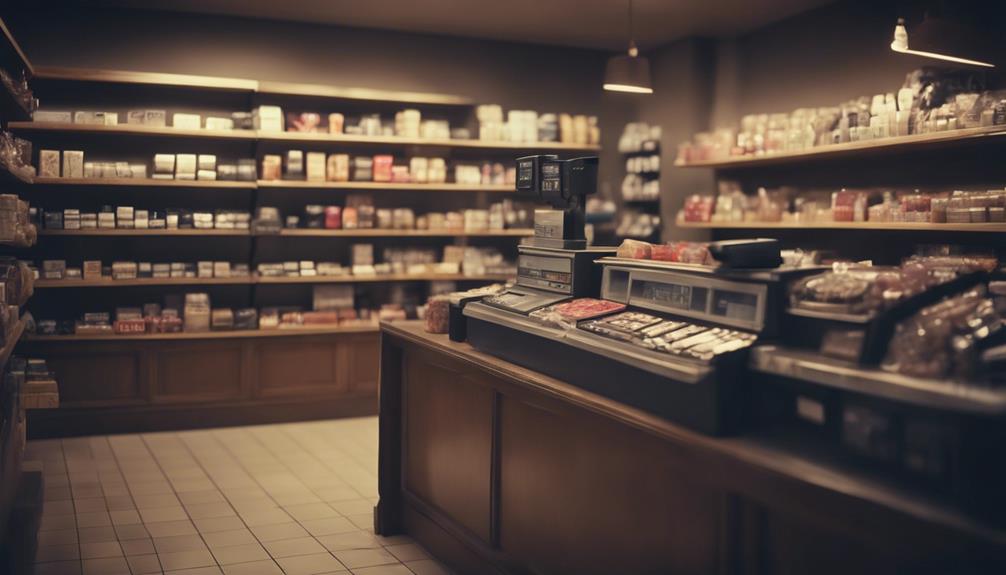
In economic downturns, you'll see retail spaces adapt significantly. Discount retailers become more popular as they focus on affordability and streamlined shopping experiences. There's a push toward integrating e-commerce, blending digital and physical shopping seamlessly with advances like real-time inventory and mobile apps. You'll also notice an uptick in flexible design, with multi-functional spaces and pop-up stores allowing for quick adjustments and experiments. Additionally, there's a shift toward cost-efficient designs that save money without sacrificing style or function. These strategic shifts ensure stores can meet your evolving needs efficiently, each one offering a deeper insight into adapting to challenging economic landscapes.
Rise of Discount Retailers
In recent years, discount retailers have surged in popularity as they capitalize on consumer demand for affordability and value. You've likely noticed more of these stores popping up in your area, or perhaps you've started visiting them more frequently as a way to stretch your budget. This trend isn't just about saving a few cents here and there; it's reshaping the retail landscape.
You might wonder why these stores are expanding so rapidly. It's largely because they offer a no-frills shopping experience that focuses on low prices over high-end ambiance. For many shoppers, the appeal of lower prices outweighs the lack of fancy fixtures or ambient lighting found in more traditional retailers.
Moreover, the economic pressures of recent years have made affordability a priority for a larger segment of the population, fueling the growth of discount retail.
These retailers typically streamline their operations to keep costs low. They often have less staff, simpler store layouts, and reduced overhead costs compared to mainstream retailers. This operational efficiency allows them to pass savings directly to you, making them an increasingly attractive option for everyday shopping.
As you continue to look for ways to manage your spending, discount retailers are likely to remain a pertinent choice.
Expansion of E-commerce Integration
Expanding alongside traditional storefronts, e-commerce integration is revolutionizing the way you shop. As retailers face economic pressures, they're increasingly turning to online platforms to maintain and grow their customer base. You've likely noticed more seamless interactions between physical and digital shopping environments, which isn't just convenient—it's strategic.
Retailers are using advanced technologies to track inventory in real-time, allowing you to see what's available instantly, whether you're browsing online or in-store. This integration helps businesses reduce overhead costs by optimizing stock levels based on precise demand forecasts. They're not just guessing what you want; they're using data to ensure it's available when and where you desire it.
Moreover, personalized shopping experiences are becoming the norm. Based on your shopping history and preferences, you receive targeted recommendations that feel specifically curated for you. This not only enhances your shopping experience but also increases the likelihood of purchases, benefiting both you and the retailer.
As this trend grows, you're also seeing more retailers adopting mobile apps that merge the in-store and online experiences. These apps can offer you discounts, alert you to new products, and even guide you to where items are located within physical stores, making every shopping trip quicker and more tailored to your needs.
Increased Demand for Flexibility
Retail customers like you're increasingly seeking flexibility in shopping, driving stores to adapt rapidly. You're looking for options that blend convenience, speed, and personalization, all wrapped in a seamless shopping experience. This shift has led to the rise of multi-functional spaces within stores.
Imagine areas that can be used for both product demonstrations during the day and community events at night. It's all about making every square foot work harder and smarter.
You're also seeing more pop-up stores, which are perfect for testing new products or markets without a long-term commitment. These temporary setups provide you with fresh and exciting shopping experiences, which is crucial during economic downturns when you're more selective about where and how you spend your money.
Moreover, retailers are deploying advanced technologies to offer you more control over your shopping journey. From apps that let you check if an item is in stock before you leave home to interactive kiosks that streamline the in-store navigation, the power is increasingly in your hands. Each of these innovations responds to your call for more adaptable, responsive retail environments that prioritize your needs and preferences.
Focus on Cost-Efficient Design
As retailers adapt to your demand for flexibility, they're also prioritizing cost-efficient design to maintain profitability. You'll notice more stores optimizing their floor plans to reduce waste and maximize utility. This isn't just about saving a buck; it's about creating spaces that are both functional and financially sustainable. Retailers are choosing materials that offer durability and affordability, ensuring that interiors can withstand high traffic without frequent replacements.
You're also seeing a shift in lighting solutions. Energy-efficient LEDs are replacing traditional lighting, significantly cutting down energy costs and enhancing the shopping experience with better, more flattering lighting. This move isn't just eco-friendly; it's pocket-friendly too, reducing overhead costs in the long run.
Moreover, with the rise of technology, digital displays are being integrated into store designs. These aren't just flashy additions; they're strategic investments. Digital displays offer dynamic, customizable content, reducing the need for physical updates and allowing for real-time marketing.
This tech-forward approach not only attracts a tech-savvy demographic but also decreases the need for costly décor changes, ensuring that the design remains both fresh and cost-effective.
Growth of Pop-up Stores
In recent years, you've likely noticed a surge in pop-up stores, a trend that's rapidly reshaping the retail landscape. These temporary retail setups aren't just about selling products; they're creating immersive brand experiences. You're seeing them everywhere – from city centers to local festivals. They're cost-effective for retailers, especially in economic downturns where long-term leases become daunting.
You've observed that pop-up stores offer flexibility that traditional retail spaces can't match. They allow businesses to test new markets without committing to permanent storefronts. This adaptability is crucial when consumer spending tightens and foot traffic is unpredictable.
Pop-ups also capitalize on seasonal trends, generating buzz and increased sales during peak shopping periods without year-round costs.
Moreover, you're part of a changing consumer base that values novelty and exclusivity. Pop-up stores cater to this by creating a sense of urgency; their temporary nature prompts you to visit before they disappear. This strategy not only boosts immediate sales but also builds long-term brand loyalty as you share your unique experiences on social media, further amplifying the brand's reach.
Conclusion
As you navigate these challenging economic times, remember to lean into these emerging trends. Embrace discount retailers and boost your e-commerce capabilities to stay competitive. Flexibility in your business model and cost-efficient designs will be crucial. Consider experimenting with pop-up stores to engage customers in unique ways. By adapting to these shifts, you'll not only survive the downturn but also position your retail space for future success. Keep innovating—it's essential for your growth.
Related articles: What Does Economic Downturn Mean for Retail Spaces?