Urban Migration: Empty Desks in Booming Cities?
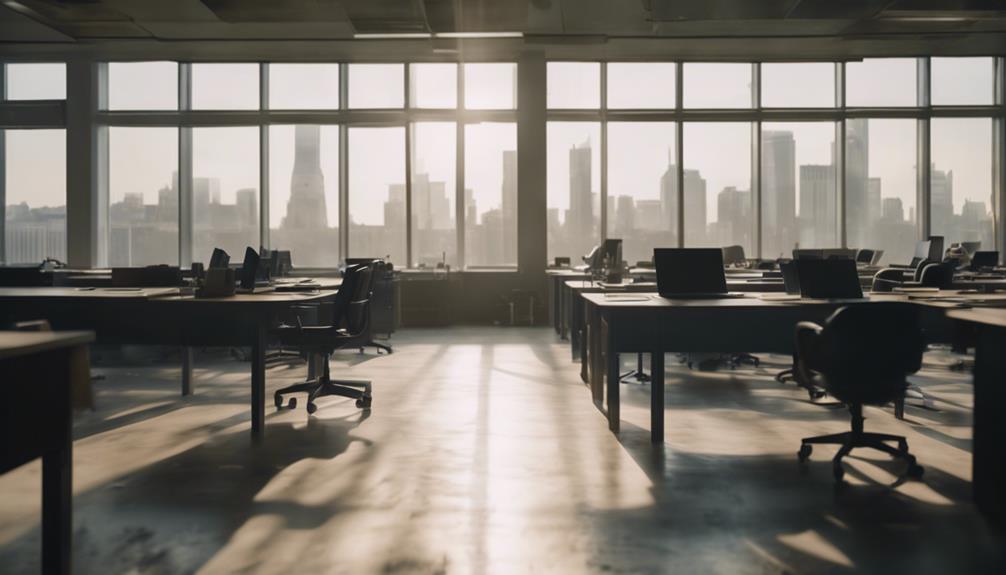
As you explore the dynamics of urban migration, you'll find that the influx of people into cities doesn't always translate to filled office spaces. Despite the demand for urban office locations, rigid zoning laws and sustainability regulations often limit availability and drive up costs, leading to empty desks even in bustling city centers. Companies are responding by reimagining office spaces with hybrid models and flexible work environments. This shift not only reflects changing workforce preferences but also aligns with evolving regulatory frameworks. Understanding these elements sets the stage for grasping broader impacts and potential strategies in urban commercial landscapes.
Urbanization and Office Space Demand
As cities grow, so does the demand for office space. You've likely noticed more skyscrapers changing the skyline, each promising innovative workspaces designed to attract businesses. This surge isn't just about quantity; the quality of office environments is evolving too. Companies are seeking spaces that not only meet basic needs but also enhance productivity and employee well-being.
You're seeing a shift towards sustainable building practices as urban centers become denser. Green buildings with natural lighting, energy-efficient systems, and indoor air quality control are becoming the norm. As you walk through these modern workspaces, you'll find they're equipped with technology that supports remote conferencing and collaborative work tools, reflecting the changing nature of work.
Moreover, as traffic congestion in cities increases, there's a rising preference for offices located near public transit options. This accessibility reduces commute times and is a significant factor when companies decide where to set up shop.
You might also notice more mixed-use developments that combine office spaces with retail, residential, and recreational facilities, aiming to create a more integrated urban experience. These trends are reshaping how and where you work, adapting to the needs of a growing urban population.
Changes in Rental Prices
With urban expansion, you've probably noticed that rental prices for office spaces are on the rise. As cities grow and more businesses flock towards urban centers, the demand for office spaces shoots up, driving rents higher. You might find yourself grappling with these increasing costs, especially if your business is expanding or just starting out.
But why exactly are these prices increasing? It's largely due to the limited supply of prime office locations and the premium features that modern businesses demand, like high-speed internet, eco-friendly buildings, and flexible workspaces. As these become standard expectations, older buildings either undergo costly renovations or get replaced by newer, pricier options.
What's more, the shift towards dynamic urban centers has led to a surge in demand for spaces that cater to hybrid work models. This means you're not just competing with local businesses for office space, but also with global companies who are expanding their footprint in booming urban markets.
Impact on Commercial Property Values
Rising rental prices inevitably boost commercial property values in urban areas. As you observe the market, you'll notice that landlords and property owners are reaping the benefits. When rental prices climb, the perceived value of the property increases, making these investments more attractive. You may see this trend as an opportunity or a challenge, depending on your position in the market.
Consider the broader implications for your investment strategy. Higher property values generally lead to increased property taxes and operational costs, which you'll need to factor into your budget. If you're a business owner looking for space, you might find yourself weighing the cost of higher rents against the benefits of being in a desirable location.
On the other hand, if you're an investor, these rising values could spell larger returns on your investments, assuming the demand for space keeps pace.
You should also be aware of the potential for market saturation. As more investors flock to these booming urban areas, the competition can lead to bidding wars and even higher prices. It's crucial to perform due diligence and assess whether the high costs truly justify the potential returns. Remember, while the market is favorable now, it's always subject to change.
Shifts in Workforce Locations
In light of the booming urban migration, many companies are relocating their workforces to city centers. You're seeing this trend as businesses aim to tap into the rich pool of talent that prefers the vibrant urban lifestyle. This shift affects where you might work and live, pushing you toward denser, more dynamic environments.
You've likely noticed more office spaces popping up in your city's heart. This isn't just about aesthetics or convenience; it's a strategic move. Being in the city center means you're at the crossroads of innovation and collaboration. Your commute might become shorter, or you could switch to biking or walking, integrating a healthier routine into your daily life.
However, this trend has its downsides. Increased demand for urban office space drives up rents, possibly straining your budget if you're just starting in your career. Additionally, the influx of professionals into city centers can lead to overcrowded public transport and higher living costs.
You're part of a larger narrative of workforce urbanization—one that shapes how and where businesses operate and how you adapt to these changing landscapes. As these shifts continue, you'll need to weigh the benefits of access against the cost of city living.
Adaptation Strategies for Businesses
As urban centers grow, businesses must adapt strategically to thrive amid changing landscapes. You've got to rethink your traditional office models and consider flexible workspaces and remote work options. This not only meets the shifting preferences of a modern workforce but also reduces overhead costs significantly. Flexibility is key—you might need to offer a blend of remote and in-office work that can adapt to various employee needs and external circumstances.
You should also invest in technology that supports mobile work environments. Tools like cloud computing, advanced conferencing technology, and robust cybersecurity measures are essential. They'll keep your team connected and productive, no matter where they're physically located.
Moreover, don't overlook the importance of engaging with local communities. As you adjust your operational strategies, consider how your business can contribute positively to the urban areas you're based in. Initiatives like local hiring, supporting local businesses, or environmental sustainability efforts can strengthen your brand and forge stronger community ties.
Lastly, always keep an eye on emerging trends and adapt promptly. Being proactive rather than reactive in your strategy ensures you're not just keeping up but setting the pace in your industry.
Future Projections for Urban Offices
Nearly half of all businesses are now reimagining their urban office spaces to align with future needs. As you look ahead, you'll see a landscape where flexibility and technology drive design. Hybrid models are becoming the norm, with spaces evolving to support both in-person and remote work. This isn't just about fewer desks; it's about creating environments that foster collaboration and innovation.
You'll find that offices are increasingly incorporating green spaces and advanced tech solutions to enhance well-being and efficiency. Think smart buildings equipped with sensors that manage energy use and improve air quality, making your workday healthier and more sustainable.
As you adapt, remember that the future office isn't just a place to work; it's a hub for connectivity. With the rise of 5G and IoT, your office will be more interconnected than ever. This means you can work seamlessly, whether you're at your desk or in a café across the city.
Investing in these trends isn't just about keeping up; it's about staying ahead. Offices that embrace these changes will attract top talent and lead in innovation. So, as you plan, consider how your office space can't only adapt to tomorrow but thrive in it.
Regulatory Influences on Market Dynamics
While regulatory changes shape urban office markets, you must stay informed to navigate these shifts successfully. As you explore investment opportunities or consider relocating your business, understanding these regulations is crucial. They dictate everything from zoning laws to environmental standards, significantly impacting where and how businesses operate.
You're likely aware that urban areas often impose stricter codes on construction and land use. These can limit the availability of office spaces or drive up costs due to higher compliance expenses. Moreover, if you're aiming to expand or start a new venture, you'll need to keep a close eye on changes in these regulations. They can open up new opportunities or close doors quite suddenly.
Consider also how sustainability requirements are becoming more stringent. Cities are increasingly mandating green building certifications and energy-efficient designs. This isn't just about reducing environmental impact—it's also about future-proofing your investment against more rigorous future standards.
Lastly, don't overlook tax incentives and subsidies for businesses that comply with or exceed regulatory norms. These can provide significant financial benefits. Staying ahead means keeping your ear to the ground and adapting swiftly to these regulatory landscapes.
Conclusion
You've seen how urban migration is reshaping the demand for office space. As rental prices fluctuate and commercial property values adjust, your business might need to rethink its location strategy. Whether adapting to a more flexible workforce or considering new regulatory impacts, staying ahead means being proactive. Keep an eye on the trends and prepare to innovate—your future in urban offices depends on it. Embrace change and leverage it to your advantage.
Related articles: Is City Migration Reducing Commercial Space Demand? · Urban Migration’s Impact on Commercial Real Estate Trends · Impact of City Migration on Commercial Real Estate Trends