Office Spaces Shrink as Cities Swell: Market Mayhem
As you navigate the bustling urban landscapes, you're bound to notice how the surge in city populations results in shrinking office spaces amidst rising rental prices. With more businesses vying for prime locations, you're seeing smaller, more expensive work areas in the heart of cities. This relentless demand has shifted not only how spaces are designed—think open layouts and multifunctional areas—but also how they are used, promoting a surge in flexible and hybrid work models. As offices transform into tech-savvy hubs meant for collaboration, the market offers intriguing investment opportunities. Exploring this evolving landscape could reveal how businesses adapt and what the future holds.
Rise in Urban Population
As cities continue to expand, more people are flocking to urban areas in search of better opportunities and amenities. You've probably noticed the bustling streets, the skyscrapers springing up, and the constant buzz of activity that tells you the city's heartbeat is growing stronger. This influx isn't just changing the landscape; it's reshaping the way urban spaces are utilized, pushing for more efficient use of every square foot.
The draw is obvious: cities offer more job prospects, cultural experiences, and lifestyle choices than ever before. You're in the middle of a dynamic environment where innovation and connectivity thrive. However, this migration has its challenges. The infrastructure is often pushed to its limits, with public transport, healthcare, and other essential services struggling to keep up with the growing population.
As you navigate through crowded streets or compete for space in public transport, you're experiencing the tangible impacts of urbanization. It's a global trend, driven by the promise of a better life, but it also requires careful planning and adaptation to ensure that life in the city remains sustainable and desirable for everyone involved.
Shrinking Office Sizes
In response to the rising urban population, office spaces are inevitably getting smaller. You're seeing this trend everywhere, from soaring skyscrapers to boutique startups in bustling districts. As cities get more crowded, the premium on space is pushing businesses to rethink their needs and how they utilize every square foot.
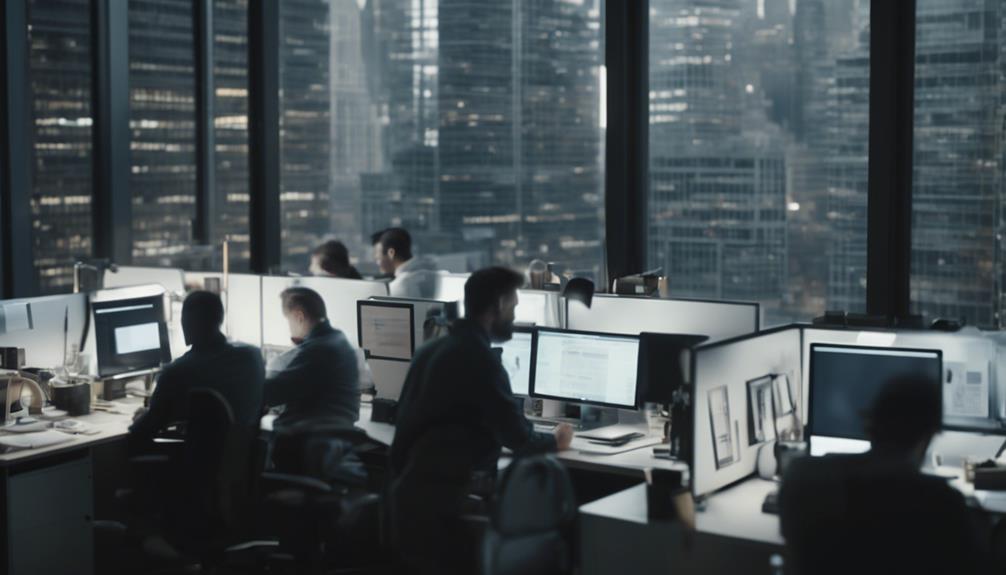
You might find yourself working closer to your colleagues than ever before. The traditional sprawling cubicle farms are making way for open-plan designs and multi-functional areas. It's all about maximizing efficiency in a limited footprint.
You'll notice more communal tables and fewer private offices, emphasizing collaboration and flexibility over personal space.
This shift isn't just a physical change—it's transforming how you work. Without walls to separate you, there's a greater push for digital communication tools. You're likely relying more on instant messaging apps and project management software to keep in touch and maintain productivity.
It's a compact, connected way of working that mirrors the condensed, interconnected nature of the modern urban environment.
Impact on Rental Prices
The shrinking of office spaces has a direct impact on rental prices, which are rising sharply despite smaller square footage. You're seeing a paradox where less space doesn't mean less cost.
As urban centers grow denser, the demand for centrally located office spaces surges. This uptick in demand drives up rental prices, even as the spaces themselves compress.
With the cost per square foot soaring, you might wonder where the value lies. It's in the location and the perceived prestige of maintaining an office in a bustling city center, which still holds significant allure for businesses. This allure translates into a willingness to pay more for less space, as companies weigh the benefits of being in the heart of the action against the higher costs.
This trend puts you, as a business owner or manager, in a tough spot. You're tasked with balancing the need for affordable space against the desirability of an impressive address.
The squeeze on spaces means you're likely paying more per employee for office space than you did ten years ago, with no signs of this pressure easing soon. As cities continue to expand, so too will the challenges associated with finding affordable, adequate office space.
Changes in Office Design
You've seen how rising rental prices are affecting your business, and now it's time to explore how office design is adapting to these challenges. As you're pushed to economize, you'll notice the shift towards multi-functional spaces. Your conference room? It now doubles as a break area or a quiet zone when not in meeting mode. You're investing in modular furniture that can be easily reconfigured according to the day's needs.
You're also seeing more open-plan layouts. These aren't just trendy; they save on construction costs and make smaller spaces feel larger. But you're smart. You know the pitfalls—noise and distractions. So, you're incorporating sound-absorbing panels and strategic plant placements to reduce noise levels without sacrificing the openness that fosters collaboration.
Technology plays a big role too. You're leveraging it to make remote work seamless, integrating high-quality video conferencing systems directly into your space design. This not only supports your team's flexibility but also reduces the need for constant physical presence, allowing you to maintain a smaller, more cost-effective physical footprint.
These changes aren't just adaptations; they're improvements, making your office smarter and more responsive to your team's needs.
Investment Opportunities
Exploring investment opportunities in this evolving office space market can yield significant advantages. As cities expand and traditional office models adapt, you'll find that smaller, more flexible workspaces are becoming hot commodities.
You've got a chance to invest in properties that cater to hybrid work models, which are quickly becoming the norm. This shift isn't just about smaller spaces but smarter ones that offer high-tech solutions for remote connectivity.
Consider the potential of investing in shared office spaces. These hubs aren't just for startups anymore; major corporations are utilizing them for project teams and temporary assignments. The demand for these versatile environments is climbing, and by getting in early, you'll position yourself at the forefront of a growing trend.
Also, think about the locations of these investments. As urban areas swell, properties on the fringes of major cities are ripe for development into office spaces. These areas often offer lower purchase prices and are appealing to businesses looking for affordability and accessibility.
Future Market Predictions
Often, market trends suggest that the demand for flexible office spaces will continue to rise sharply. As you delve into the implications of this surge, it's crucial to understand how these spaces are evolving. Urban centers aren't just expanding; they're transforming, and so must your investment strategies.
You'll see that more companies are opting for hybrid models, where work is split between home and office. This doesn't just change where people work; it redefines how office spaces are used. Expect a shift towards offices that aren't just places to work but also hubs for collaboration and social interaction.
Landlords and developers are already responding by retrofitting traditional offices into versatile environments. They're adding amenities and using technology to create adaptable spaces that can serve multiple purposes. You should watch for these developments closely, as they represent significant opportunities.
Moreover, sustainability will play a bigger role. As environmental concerns become more pressing, eco-friendly and energy-efficient office spaces will likely command higher rents and attract more tenants.
Conclusion
As cities grow, you're seeing office spaces shrink, causing a real shake-up in the market. With rental prices rising, you might feel the pinch, but consider the investment opportunities. The shift in office design towards more efficient layouts could save you money in the long run. Keep an eye on the trends; the future market could favor those who adapt quickly. Embrace the change, and you could find yourself ahead of the curve in this bustling urban landscape.
Related articles: Urban Migration: Empty Desks in Booming Cities? · Is City Migration Reducing Commercial Space Demand? · Urban Migration’s Impact on Commercial Real Estate Trends