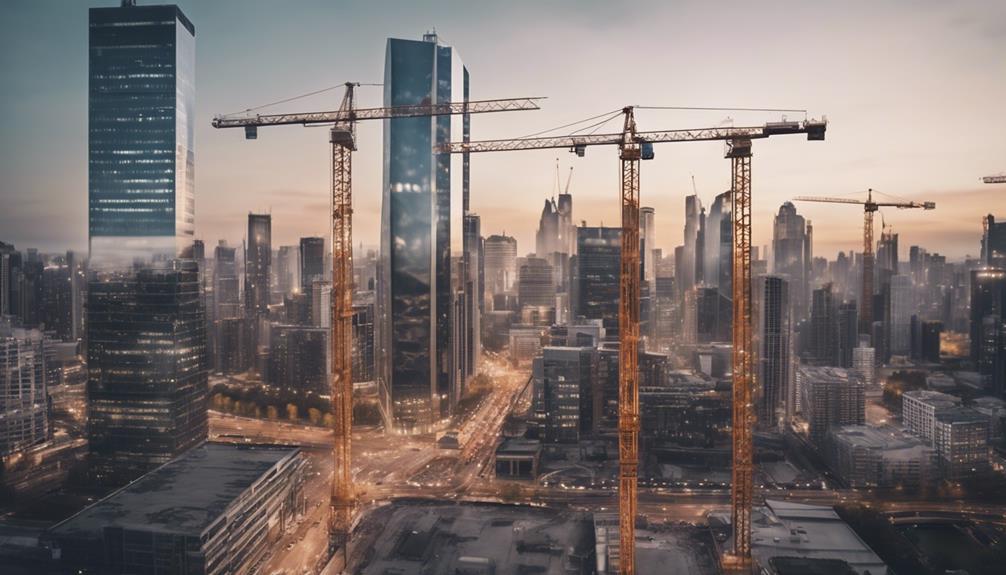
Adapting to Post-Pandemic Commercial Real Estate Trends

As you navigate the shifts in commercial real estate post-pandemic, you'll find it essential to adapt to the decreased demand for traditional office spaces, moving instead towards flexible, mixed-use environments that prioritize wellness and sustainability. In retail, the focus has shifted from large malls to more experiential, local, and service-oriented offerings, making it crucial to diversify tenant mix and integrate health measures. Additionally, e-commerce has transformed retail spaces into dual hubs for sales and distribution, necessitating a strategic approach to location and technology for efficient operations. Embracing these trends not only prepares you for current demands but also positions you for future opportunities.
The Shift to Remote Work
The shift to remote work has fundamentally reshaped the landscape of commercial real estate. As you navigate this new terrain, you'll notice a significant decrease in demand for traditional office spaces. Companies are downsizing their physical offices or eliminating them altogether, which means there's a lot of unused square footage out there. This excess is driving landlords and property managers to rethink their strategies.
You might now find that buildings once bustling with office workers are pivoting towards mixed-use solutions. These spaces are being redesigned to include co-working areas, residential units, and sometimes even small urban farms or leisure facilities. It's a creative way to fill the void left by fewer daily commuters.
As you adapt to these changes, you'll also see an increase in demand for suburban office locations. Businesses are considering these spots because they often offer a lower cost and are closer to where employees live, reducing commute times and aligning with the desire for a better work-life balance.
Embracing this shift isn't just about relocating or redesigning; it's about rethinking what a workplace means. This evolution could be your chance to innovate, cut costs, and boost employee satisfaction. Stay ahead by considering how these trends can benefit your business strategy.
Changes in Retail Spaces
Reflecting broader economic shifts, retail spaces are also undergoing significant transformations. You're seeing a move away from traditional mall-centric shopping experiences to more experiential and service-oriented offerings. This isn't just about shopping anymore; it's about creating an environment where you can eat, play, and relax.
Landlords are rethinking the layout and mix of tenants. Where you once found rows of apparel outlets, now there might be a yoga studio next to a tech gadget shop. This diversification helps to attract a wider range of visitors and keeps them engaged longer. It's not just about the quick in-and-out purchase; it's about making the space a destination.
Moreover, you're noticing a push towards localism. More retail spaces are hosting local artisans and pop-up shops, providing unique products that aren't available elsewhere. This shift not only supports local economies but also adds a distinct flavor to shopping centers, making them more appealing to you as a consumer.
You should also keep an eye on how health and safety measures are integrating into these spaces. Enhanced cleaning protocols and improved air filtration systems are becoming the norm, reassuring you that your shopping experience is safer and healthier.
Rise of E-commerce Hubs
As e-commerce continues to expand, traditional retail spaces are evolving into vibrant e-commerce hubs. You're witnessing a significant shift where malls and storefronts once bustling with foot traffic are now transforming. These spaces are adapting to house inventory, manage orders, and serve as local distribution centers. This trend isn't just about change; it's about survival and capitalizing on the booming online shopping demand.
You might notice more hybrid models where retail and distribution functionalities coexist. These hubs are strategically positioned to speed up delivery times and enhance customer service by being closer to you, the consumer. They're equipped with advanced technology for managing inventory and processing returns swiftly, turning what was once a simple store into a complex logistical node.
Moreover, this shift is creating new job opportunities. As these hubs proliferate, there's a growing need for tech-savvy staff to handle logistics, customer interactions, and digital management tasks. It's a dynamic environment where skills in technology, supply chain management, and customer service are highly valued.
Modifications in Office Design
Office design has undergone significant changes to accommodate the evolving needs of today's workforce. As you re-enter the workplace after an extended period of remote work, you'll notice that traditional cubicles have largely been replaced by flexible spaces that encourage collaboration while still allowing for privacy when needed.
There's a bigger emphasis on technologies that support hybrid meetings, ensuring seamless communication whether participants are in-room or joining virtually.
You'll also see that health and well-being are prioritized more than ever. Air filtration systems have been upgraded in response to health concerns, and office layouts now include more natural light and plant life, proven to enhance employee well-being and productivity.
Ergonomics has taken center stage too. Adjustable desks and chairs, relaxation areas, and even walking treadmills are common sights, all designed to boost comfort and physical health.
Moreover, the color schemes and materials have shifted. There's a move towards calming colors and sustainable materials that not only reduce the environmental footprint but also create a more pleasant and less stressful workspace.
Increased Demand for Warehousing
While office designs have adapted to a new era of work culture, another significant shift in the commercial real estate landscape is the increased demand for warehousing. You've likely noticed more online shopping activity, which has propelled the need for more extensive logistics networks. This change means you're seeing warehouses not just on the outskirts of cities but also in urban centers to facilitate quick delivery.
As you delve deeper, you'll find that businesses are seeking flexible warehouse spaces that can handle complex operations, from sorting to distribution. This isn't just about storing goods; it's about efficient turnover and reducing delivery times.
You're also witnessing a surge in demand for technologically equipped facilities that can support automation and real-time inventory management. This tech integration helps companies keep up with the fast-paced e-commerce environment.
Furthermore, the shift toward green energy and sustainability has influenced warehouse operations. You're now seeing solar panels and energy-efficient systems being integrated into warehouse designs, reflecting a broader corporate responsibility towards environmental sustainability.
These adaptations make warehousing a critical component in the supply chain, ensuring that businesses meet consumer expectations for speedy and eco-friendly deliveries.
Investment Opportunities Analysis
In light of these shifts in commercial real estate, you might now wonder how to capitalize on the burgeoning warehousing market. As e-commerce sales continue to climb, the demand for strategically located warehouse spaces is at a premium. It's crucial you focus on regions with growing populations and strong transportation networks.
You'll find the most lucrative investments in areas with limited current supply but projected high demand. Look for properties that offer scalability and flexibility, as businesses are increasingly seeking adaptable logistics solutions. It's also wise to consider the potential for retrofitting spaces to suit a variety of tenants, which can broaden your market appeal.
Delving into the financial aspects, securing properties that can generate immediate revenue through existing leases provides a buffer as you plan longer-term strategies.
However, don't overlook the potential for land appreciation in underdeveloped areas that are slated for future infrastructure improvements. These locations often provide higher returns as the region develops.
To stay ahead, engage with local economic development boards to gain insights into upcoming projects and zoning changes. Networking with supply chain managers could also provide leads on what features are most sought after, ensuring your investment decisions are informed and targeted.
Sustainability Initiatives Impact
Amid growing environmental awareness, you must consider how sustainability initiatives impact commercial real estate investments. As you revisit your investment strategies, it's crucial to recognize that green building features and eco-friendly certifications such as LEED, BREEAM, or WELL are increasingly influential. These standards not only enhance property value but also attract tenants who are willing to pay a premium for sustainable spaces.
Investing in energy-efficient systems, sustainable materials, and advanced waste management solutions can significantly reduce operational costs, leading to higher net operating income. Moreover, properties adhering to environmental standards often benefit from tax incentives and grants, improving your financial returns.
You should also be aware of the growing tenant demand for healthy buildings—spaces with improved air quality, natural lighting, and wellness facilities. This trend can boost occupancy rates and reduce tenant turnover, stabilizing your income stream.
Conclusion
As you adapt to the evolving commercial real estate landscape post-pandemic, remember the importance of flexibility and innovation. Embrace the shift towards remote work, redesign retail spaces, and capitalize on the surge in e-commerce by investing in specialized hubs. Rethink office designs to ensure safety and efficiency, and consider expanding into warehousing to meet increased demands. Don't overlook sustainability; it's not just good for the planet, but also appealing to modern tenants and investors. Seize these opportunities to thrive.
Related articles: 5 Key Post-Pandemic Trends in Commercial Real Estate · What’s Shaping Post-Pandemic Commercial Real Estate? · 10 Key Post-Pandemic Trends in Commercial Real Estate