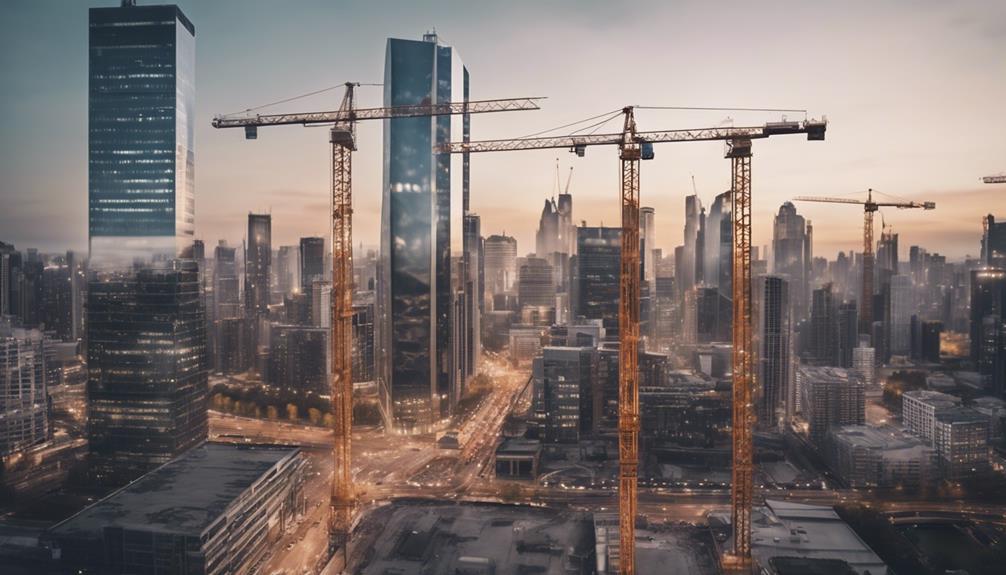
Post-Pandemic Boom: Revolutionizing Commercial Real Estate
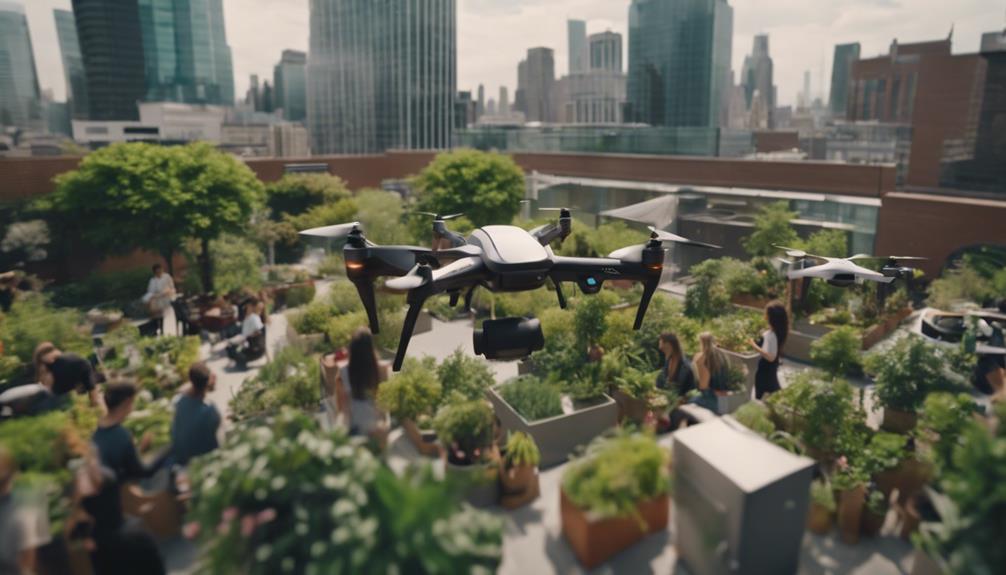
You're entering a dynamic phase in commercial real estate marked by significant changes driven by the post-pandemic shift. Businesses are adapting to hybrid work environments, reducing traditional office sizes while investing in digital infrastructures for better communication among distributed teams. Retail is being reshaped as e-commerce grows, prompting more emphasis on logistics and smaller, strategically located retail outlets. Moreover, the rise of smart buildings equipped with advanced technology focuses on sustainability and efficiency, enhancing both appeal and value. As suburban areas become more attractive due to remote work possibilities, rethinking your strategies in these evolving markets could open up new opportunities. This landscape is ripe for exploration, promising a deeper understanding of its comprehensive impact.
Shift to Hybrid Work Environments
In response to evolving work preferences, many businesses are shifting to hybrid work environments, blending remote and in-office setups. You might find yourself working part-time at the office and part-time from your home, a model that's reshaping not just how you work, but where companies invest in real estate.
This new norm isn't just about adapting physically; it's about rethinking operational strategies. With employees not anchored to a single location, organizations are downsizing traditional office spaces and scouting for smaller, strategically located satellite offices. These hubs often cater to team collaboration and client meetings, emphasizing location over size.
You're also likely to see more investment in technology. Businesses are enhancing digital infrastructures to ensure seamless communication and operation across distributed teams. This tech-first approach supports your ability to work effectively, whether you're at home, in a main office, or in a coworking space.
Moreover, companies are redesigning remaining office spaces to be more flexible and appealing. You'll notice more open layouts with versatile workstations and communal areas, designed to boost collaboration when you're in the office. This shift isn't just changing your workday dynamics—it's revolutionizing the entire landscape of commercial real estate, focusing on efficiency and employee well-being.
Rise of E-commerce Impact
Amid the shift towards hybrid work environments, the rise of e-commerce has significantly transformed commercial real estate. You've probably noticed fewer brick-and-mortar shops and more giant warehouses on the outskirts of cities. This isn't coincidental. As you increasingly click to purchase, businesses are reshaping their strategies to accommodate this change.
Retail spaces are evolving; traditional storefronts are downsizing while distribution centers expand. You're seeing more pickup locations and smaller retail outlets that double as showrooms. It's a direct response to your shopping habits shifting online. The convenience you love requires back-end changes in real estate configurations.
Moreover, as an entrepreneur or business owner, you're now looking at commercial real estate through a different lens. The premium isn't just on location but also on logistics capability. How quickly can you move goods from a warehouse to a customer? This shift impacts how you value different types of properties.
Lastly, consider the local shopping mall you used to frequent. Many are being repurposed into mixed-use developments or experiential centers. You're not just shopping; you're looking for an experience, something the e-commerce world can't fully replicate yet. This evolution in your expectations is guiding how commercial spaces are used and valued.
Investment in Smart Buildings
As commercial real estate evolves, savvy investors are turning their attention to smart buildings. You're witnessing a major shift where high-tech infrastructure is becoming as crucial as location. Smart buildings use advanced technology to manage energy efficiency, security, and building operations automatically. This isn't just about saving on utilities—it's about creating environments that adapt to the needs of their occupants.
You might ask, "Why invest now?" Well, the demand for sustainable and efficient properties is skyrocketing. Tenants are willing to pay a premium for spaces that offer enhanced air quality, energy savings, and better overall management through IoT-enabled systems. These features not only attract high-quality tenants but also reduce operational costs, boosting your property's value.
Moreover, integrating AI and IoT into buildings lets you gather critical data on usage patterns and maintenance needs. This means you can preempt problems before they arise, optimizing building longevity and tenant satisfaction.
As you navigate your investment options, consider smart buildings as a future-proof choice that aligns with global trends toward sustainability and technology. They're not just buildings; they're dynamic assets that grow smarter and more efficient over time, ensuring you stay ahead in the competitive real estate market.
Urban to Suburban Migration
Many people are now choosing suburban life over urban centers, driven by desires for more space and a quieter environment. You're likely noticing this shift as cities become less congested and suburban areas buzz with new developments. It's not just about more backyard space or fewer cars on the street; it's also about changing work dynamics.
The rise of remote work means you're not tied to city offices anymore. You can live where you prefer without worrying about a lengthy commute.
This migration impacts commercial real estate significantly. You'll see suburban markets heating up. Retail spaces, once struggling in these areas, are now thriving as demand for local amenities and services grows. Office spaces are also transforming; rather than high-rise city buildings, smaller, spread-out office parks are in vogue. They're often closer to where people live, reducing travel times and contributing to a better work-life balance.
As a business owner or investor, you're in a prime position to capitalize on this shift. Rethinking your strategies to focus on suburban real estate could yield significant returns. The landscape of work and living is changing, and tapping into suburban growth is a smart move.
Sustainability Initiatives Surge
Increasingly, commercial real estate developers are prioritizing sustainability in their projects. You're witnessing a shift where green building certifications, such as LEED and WELL, are becoming not just add-ons, but central features of new developments. This isn't just about reducing carbon footprints; it's about creating spaces that are healthier for occupants and more attractive to tenants who value environmental responsibility.
You'll see that developers are integrating advanced technologies to manage energy efficiency and water conservation. Solar panels, smart lighting systems, and high-efficiency HVAC are now standard in many new buildings. They're also exploring innovative materials—think recycled steel, low-VOC paints, and bamboo flooring—that support sustainable construction without compromising quality.
Moreover, the focus isn't just on the buildings themselves but also on how they fit into the broader environment. You're starting to notice more developments incorporating green spaces, bike paths, and car-charging stations, making sustainability a community-wide initiative.
As you move forward, consider how these sustainability efforts not only reduce operating costs but also enhance the asset value. They make commercial properties more competitive in a market that increasingly values environmental stewardship. This isn't just good practice; it's smart business.
Conclusion
As you navigate the evolving landscape of commercial real estate, you'll find that embracing hybrid work environments, leveraging e-commerce growth, and investing in smart buildings are key. The shift from urban to suburban areas continues to shape your investment strategies, and your commitment to sustainability not only aligns with global trends but also enhances your competitive edge. Stay adaptive, seize these transformative opportunities, and you'll likely thrive in this dynamic, post-pandemic market.
Related articles: 75% Shift in Commercial Real Estate Market Trends · Office Spaces in Pajamas: Tomorrow’s Market Oddities · Reshaping Commercial Real Estate in a New Era