Why Are Commercial Spaces Thriving Amid Economic Downturns?
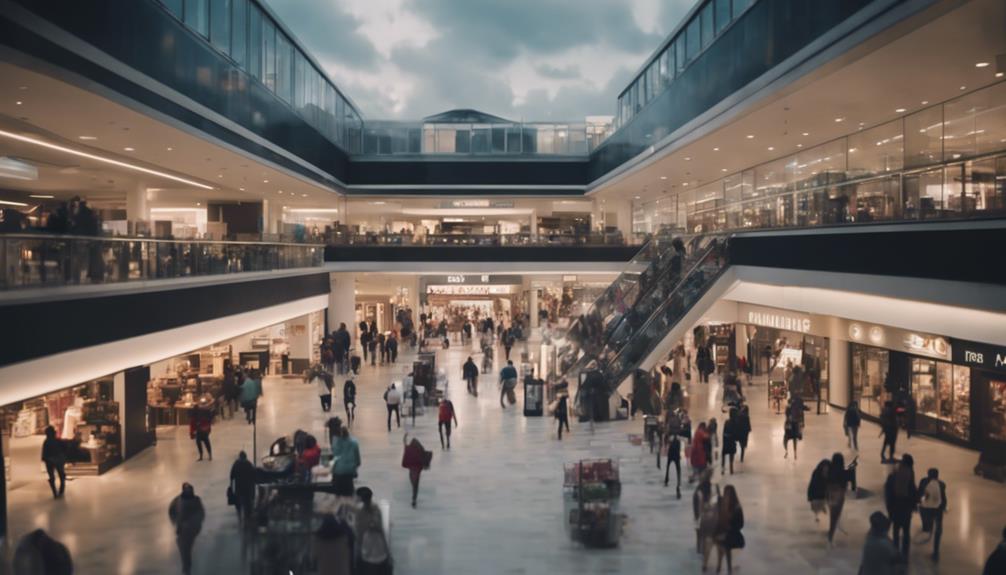
You might wonder why commercial spaces are flourishing even when the economy seems to be struggling. It's because they've smartly adapted to your changing shopping habits and economic pressures. During tough times, you tend to focus on essentials and seek out value, which boosts traffic to discount and wholesale retailers. Simultaneously, e-commerce has transformed your shopping experiences, with more personalized recommendations and a seamless blend of online and in-store shopping. Retailers have reacted by creating unique, experiential environments that cater specifically to your needs. As you explore further, you'll uncover more about how these spaces continuously evolve to meet modern demands.
Shifts in Consumer Behavior
As economic conditions fluctuate, consumer behavior shifts noticeably. You've seen it yourself; when times are tough, people cut back on luxury items and focus more on essentials. But it's not just about spending less—it's about spending smarter. Discount stores and wholesale retailers often see a surge in traffic as you and others seek out the best value for their money.
You might also notice a shift in where and how you shop. During economic downturns, there's a significant increase in the popularity of second-hand stores and repair services. It's not just about saving money; it's also about making sustainable choices. You're more likely to repair your electronics or upcycle old furniture rather than buying new. This trend not only helps your wallet but also contributes to a less wasteful lifestyle.
Moreover, the types of products you buy change. There's a rise in the purchase of durable goods—items that won't need replacement for years. You're investing in quality and longevity rather than immediate gratification. This shift isn't temporary; it often leaves a lasting impact on your purchasing habits, steering you towards more thoughtful consumption even when economic conditions improve.
Evolution of E-commerce
E-commerce has rapidly transformed the way you shop, especially during economic downturns. Gone are the days when you'd solely rely on brick-and-mortar stores. Now, you're swiping through products on your smartphone, comparing prices, reading reviews, and clicking "buy" from the comfort of your home. This shift isn't just about convenience; it's a necessity in times when every penny counts.
Online shopping platforms have become more sophisticated. You've likely noticed more personalized recommendations based on your browsing and purchasing history. These aren't random; they're powered by complex algorithms designed to predict what you might need next. And it's not just about products; services have also moved online, with everything from grocery deliveries to virtual consulting becoming the norm.
Moreover, social media has intertwined with e-commerce, influencing your shopping habits. Platforms like Instagram and Facebook now feature integrated shopping capabilities, where a simple scroll can lead to a spontaneous purchase. This blend of social interaction and shopping has created a new layer of convenience and impulse buying.
As e-commerce evolves, it continues to shape how you interact with the economy, pushing traditional retail to adapt or be left behind.
Adaptation Strategies by Retailers
In response to the relentless growth of e-commerce, retailers are rapidly adapting their strategies to survive and thrive. You're seeing them shift toward experiential retail, where the shopping experience is as valuable as the products themselves. They're transforming stores into destinations that offer unique, interactive experiences that you can't get online.
Imagine coffee shops mixed with bookstores, art installations in clothing stores, and live demonstrations in electronics outlets.
Additionally, retailers are harnessing the power of data analytics to understand your preferences better than ever before. They're tailoring their inventories and marketing strategies to match anticipated needs and desires. This isn't just about sending you emails for products you glanced at once; it's a comprehensive approach to predict what you want before you even realize it.
You'll also notice more stores offering seamless omnichannel experiences. They're blurring the lines between online and in-store shopping. Now, you can check product availability online, visit the store to see the item in person, and choose between taking it home or having it delivered to your doorstep.
Retailers are fighting to keep you engaged, leveraging technology and innovation to provide convenience, personalization, and a richer shopping experience. This is how they're not just surviving but thriving, even when times are tough.
Government Stimulus and Supports
Government stimulus packages and support measures have become lifelines for many businesses during economic downturns. You've likely seen or even benefited from these financial aids, which are crucial in keeping operations afloat when revenue dips. These programs often include direct cash injections, tax reliefs, and deferred loan payments, providing a buffer against the immediate impacts of market instability.
You might wonder how these aids specifically help commercial spaces. By reducing the financial strain on businesses, landlords can negotiate more manageable lease terms, ensuring that commercial spaces don't sit empty. This retainment of tenants prevents a domino effect of vacancies that could further depress commercial real estate markets.
Furthermore, some stimulus measures are targeted directly at revitalizing specific sectors. For instance, grants for renovating older commercial properties or incentives for opening businesses in economically disadvantaged areas. These initiatives not only boost business confidence but also encourage investment in infrastructure, which indirectly benefits the broader commercial market.
You should also consider how these supports can lead to a more vibrant commercial ecosystem. With reduced financial pressure, businesses can afford to innovate and attract more customers, ultimately increasing foot traffic and consumer spending in commercial areas.
Innovations in Commercial Design
Amid economic challenges, commercial spaces are transforming their designs to better meet the needs of modern consumers and businesses. You're seeing an emergence of multifunctional areas that blend retail, leisure, and workspace elements. This shift not only maximizes the use of space but also attracts a diverse crowd at any time of the day.
Imagine walking into a building where you can shop, have a business meeting, and relax in a café without stepping outside.
Furthermore, sustainability is at the forefront of commercial design innovations. Developers are incorporating green technologies, such as solar panels and energy-efficient lighting, to reduce environmental impact and attract eco-conscious consumers. You'll find that these features not only help save on energy costs but also create a positive brand image that resonates with today's market.
The integration of advanced technology is also revolutionizing commercial spaces. From interactive displays that enhance customer engagement to AI-driven systems that streamline operations, these tech-savvy elements are setting new standards in the industry.
You're not just visiting a store or office; you're experiencing the future of commerce where convenience and technology meet.
Investment Trends in Retail
Why are savvy investors increasingly drawn to the retail sector? It's not just about traditional shopping; it's the promise of adaptive reuse and innovation that's turning heads.
You see, while online shopping continues to grow, physical stores aren't just surviving; they're becoming hybrids. These spaces now double as showrooms, pickup points, and immersive branding experiences, offering you something you can't get online: tactile interaction.
You might think that investing in retail is a gamble during economic downturns, but it's exactly these periods that open up opportunities. Properties in prime locations come at lower prices, and the potential for high returns on investment is substantial once the economy rebounds.
Besides, consumers' preference for experiences over goods is reshaping retail environments into lifestyle hubs. This means you're not just investing in a store; you're investing in a community cornerstone.
Moreover, retail investments are diversifying. From pop-up stores to large anchor spaces, the variety increases your chance to capitalize on different market segments. By investing in retail, you're not putting all your eggs in one basket. Instead, you're spreading them across a field poised for growth, making it a strategic move in your investment portfolio.
Resilience of Niche Markets
Building on the momentum from savvy retail investments, niche markets offer their own unique form of resilience during economic downturns. You'll find that these specialized sectors often withstand financial stress better than their mainstream counterparts. This is because niche markets cater to specific consumer needs that don't disappear simply because the economy falters.
Consider how specialty health food stores or high-end hobby shops continue to draw customers. Their appeal lies in catering to dedicated clientele who prioritize these products over more generic alternatives, regardless of economic conditions. They aren't just buying a product; they're investing in a lifestyle or a passion. This loyalty translates into sustained revenue streams for businesses operating within niche markets.
Moreover, during downturns, consumers often seek out unique, personalized experiences that these niche businesses are perfectly poised to provide. It's not just about the product anymore—it's about the experience and the connection. You're not just purchasing a specialty tea blend; you're buying into a culture of wellness and exclusivity.
Thus, while larger markets might see a dip in consumer spending, niche markets often maintain a steady flow. They adapt quickly, knowing their customers well and staying relevant through curated offerings and exceptional service.
Conclusion
You've seen how commercial spaces are not just surviving but thriving, even during economic downturns. Shifts in consumer behavior and the evolution of e-commerce have driven this resilience. Retailers are adapting creatively, leveraging government support and innovative designs to enhance their appeal. Investment trends continue to favor retail, especially in niche markets that show remarkable endurance. So, despite the odds, the commercial sector is dynamically evolving, ensuring its relevance and success in challenging times.
Related articles: 10 Best Strategies for Thriving Commercial Spaces in Downturns