Why Are Post-Pandemic Commercial Real Estate Trends Shifting?
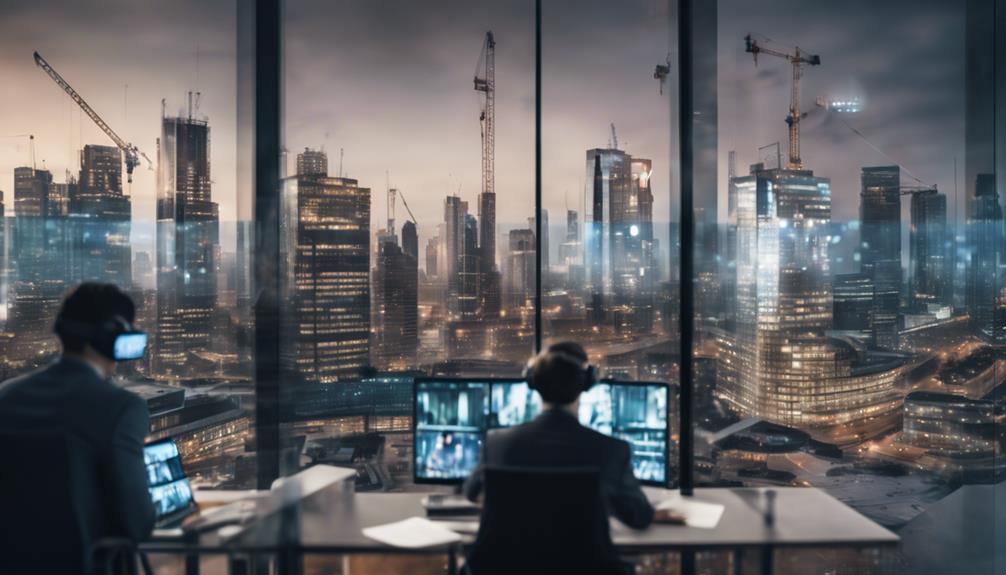
You're seeing a major shift in commercial real estate trends due to the pandemic's lasting impact. With a widespread shift to remote work, you're noticing more office spaces in city centers left vacant, as businesses move towards smaller, adaptable work environments in suburban areas. Retail is evolving too, with an uptick in demand for flexible spaces and experiencial shopping, pushing landlords to adapt quickly. Additionally, technology such as virtual tours and big data is becoming imperative in real estate strategy. These changes are setting a new course for how and where businesses operate, and exploring these trends further will reveal additional insights into the future of this sector.
Shift to Remote Work Impact
The shift to remote work has significantly reshaped the landscape of commercial real estate. As you've likely noticed, sprawling office complexes once bustling with daily commuters now face higher vacancy rates. This isn't just a temporary adjustment; it's a fundamental change in how companies operate. Many businesses have realized they can maintain productivity and reduce overhead by allowing employees to work from home. This has reduced their need for expansive office space, altering demand in major urban centers.
You're seeing corporations re-evaluate their space requirements. Instead of long-term leases on large properties, companies are opting for smaller, more flexible workspaces. This shift has sparked interest in suburban and secondary markets where lower costs and proximity to residential areas appeal to both employers and employees. These regions are becoming hotspots for satellite offices and coworking spaces.
Moreover, this transition affects property development and management. Developers are rethinking their projects, focusing on buildings with adaptable designs that can easily switch from office to residential or mixed-use spaces.
Meanwhile, property managers are enhancing amenities and incorporating advanced technology to attract tenants amid a competitive market. The landscape of commercial real estate is indeed evolving, and you're right at the heart of this transformation.
Changes in Retail Demand
As you explore the evolving landscape of commercial real estate, it's crucial to consider how the retail sector is adapting. The pandemic has significantly shifted consumer behaviors, and you're seeing these changes reflected in retail demand. With an increase in online shopping, physical stores are rethinking their strategies and footprints. You might notice a rise in demand for smaller, more flexible retail spaces that can quickly adapt to change, rather than large, permanent locations.
These shifts are also influencing the types of retail environments that thrive. High-street locations are experiencing a transformation as retailers focus on experience-based shopping to attract customers. It's no longer just about purchasing products; it's about creating an experience that can't be replicated online. Therefore, spaces that accommodate these experiential elements are becoming more desirable.
Moreover, there's a growing interest in pop-up stores that allow for short-term, flexible leases. These setups are ideal for testing new markets or products without the commitment of long-term leases, reducing risks for retailers.
You'll find that landlords are more open to these flexible arrangements to keep their spaces occupied, which is a win-win for both parties in this rapidly changing market.
Urban to Suburban Migration
Urban to suburban migration significantly shapes current commercial real estate dynamics as businesses and residents move outward from city centers. As you've likely noticed, this shift isn't just about seeking more space; it's also about adapting to new working and living preferences post-pandemic. With more companies offering remote or hybrid work options, you don't need to be tethered to a metropolitan hub anymore. This flexibility allows you to enjoy lower costs of living and often a higher quality of life in suburban areas.
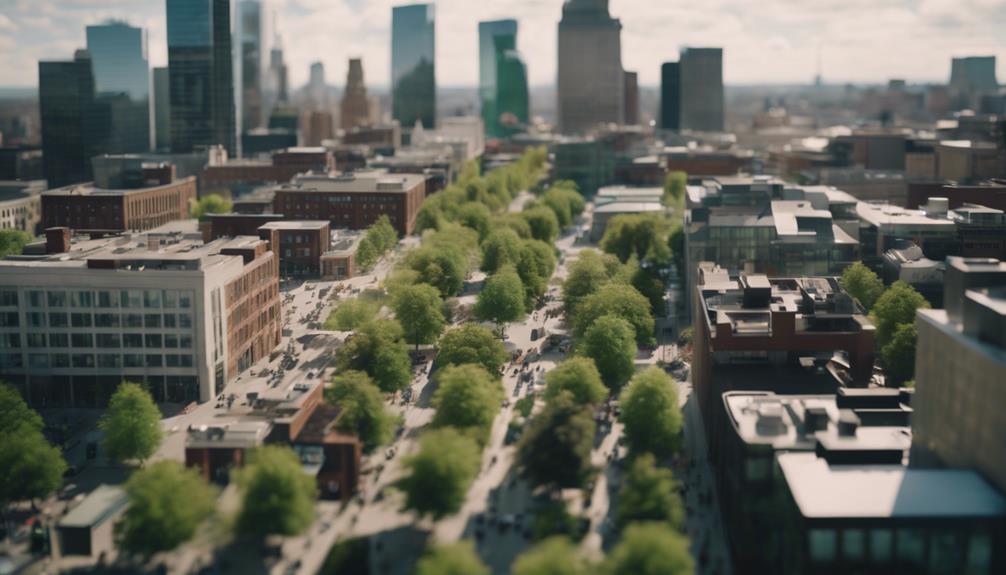
This migration impacts commercial real estate by increasing demand for office spaces in suburbs. You're seeing more decentralized business districts sprout up, catering to residents who prefer minimal commutes. Additionally, these areas are now becoming hotspots for development projects that include not only office spaces but also retail and recreational facilities, further attracting a diverse workforce and residents.
For you, this could mean a shift in where you look for job opportunities or consider investing in property. Suburban markets are becoming densely populated with amenities that used to be exclusive to urban centers, making them increasingly attractive. Keep an eye on how these areas evolve; they're reshaping the landscape of work and lifestyle choices in significant ways.
Investment Strategies Evolution
Shifting your focus to investment strategies, it's crucial to adapt to the evolving commercial real estate market. The pandemic has reshaped how and where people work and live, influencing your investment decisions significantly. You'll find that diversification isn't just a buzzword but a necessary tactic in today's environment. Rather than putting all your eggs in one basket, consider spreading your investments across various property types and locations.
You need to be more agile than ever. Traditional long-term leases in big cities aren't as appealing as they once were. Now, you might want to look into flexible commercial spaces in suburban areas, which have seen a surge in demand. This shift means analyzing potential yields from properties that can adapt to multiple uses — think mixed-use developments and convertible spaces.
Moreover, with businesses re-evaluating their office space needs, properties that offer modifiable layouts or co-working options are becoming more attractive.
You should also keep an eye on emerging markets and demographic trends, as these can signal new opportunities.
Technology's Role in Real Estate
Technology has revolutionized the way you engage with commercial real estate. Gone are the days when physical site visits and paper-based transactions dominated the landscape. Now, you're experiencing a shift where virtual tours, augmented reality (AR), and virtual reality (VR) offer immersive previews of properties without stepping foot on the premises. Tools like these not only save you time but also broaden your options beyond geographical limitations.
Moreover, big data and AI have transformed how you analyze market trends and investment risks. You can access real-time data analytics to make more informed decisions, predict market behaviors, and identify potential returns with greater accuracy. This tech-driven approach reduces guesswork and enhances your strategic planning capabilities.
Blockchain technology is also making a mark by introducing more transparency and security into transactions. Smart contracts automate and secure the leasing process, eliminating much of the bureaucracy and potential for human error. You're seeing a reduction in fraud and smoother, faster transactions that build trust among parties.
In embracing these technologies, you're not just keeping up with trends; you're setting yourself ahead in a competitive market. The future of commercial real estate isn't just about space—it's about how innovatively you can utilize technology to meet your investment goals.
Conclusion
You've seen how the post-pandemic landscape is reshaping commercial real estate. With more employees working remotely, retail spaces are transforming and there's a noticeable shift from urban to suburban areas. Your investment strategies must adapt to these changes, incorporating advanced technology to stay ahead. Embrace these trends, refine your approach, and you'll navigate this new terrain successfully. Remember, it's not just about adapting; it's about seizing opportunities in this evolving market.
Related articles: Post-Pandemic Boom: Revolutionizing Commercial Real Estate · 75% Shift in Commercial Real Estate Market Trends · Office Spaces in Pajamas: Tomorrow’s Market Oddities